Every year, thousands of travellers ask themselves the same question before booking their flights: is Madeira worth visiting? The short answer, from someone who lives here, is an unequivocal yes. But the more interesting answer explains exactly why this small Atlantic island consistently surprises people far beyond their initial expectations.
Madeira is a Portuguese archipelago sitting roughly 1,000 kilometres southwest of Lisbon and about 500 kilometres off the coast of Morocco. It is close enough to mainland Europe to reach on a short flight, yet geographically and culturally distinct enough to feel like a world apart. That contrast sits at the heart of its appeal.
A Landscape That Earns Every Superlative
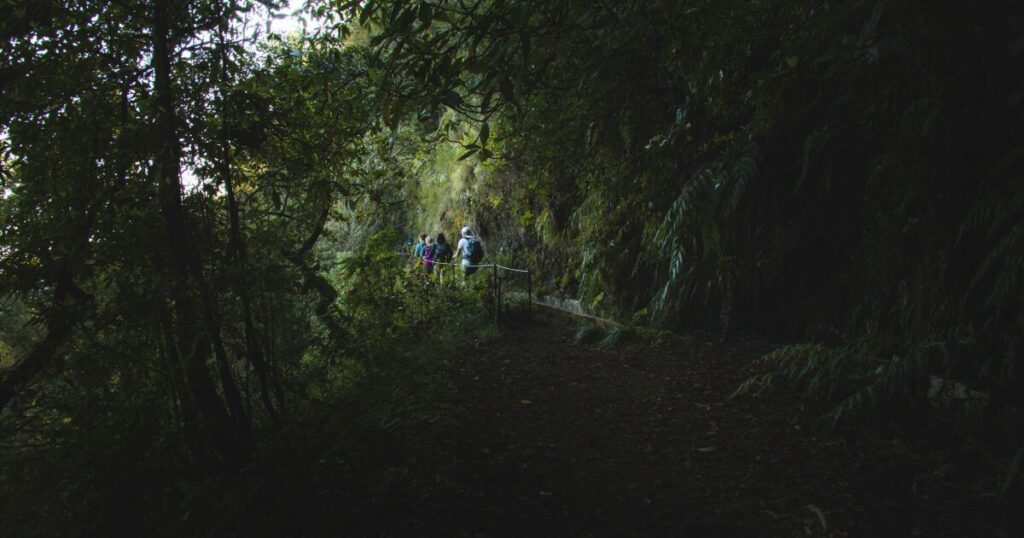
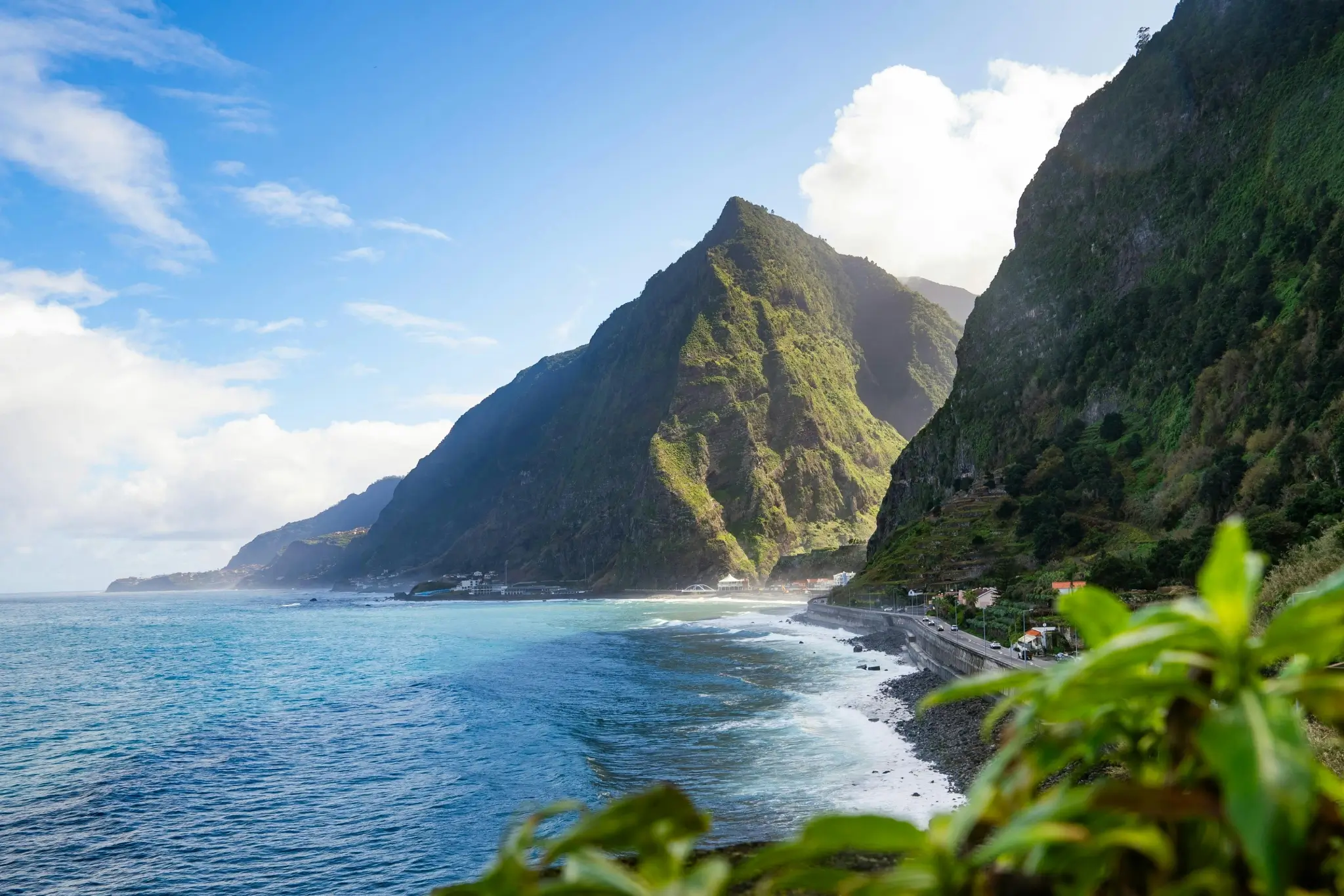
One of the most common reactions from first-time visitors is genuine surprise at how dramatic and diverse the island’s landscape is. Madeira is a volcanic island that rises steeply from the ocean, creating a terrain of deep ravines, vertiginous sea cliffs, and mountain peaks that often disappear into cloud. The highest point, Pico Ruivo, stands at 1,862 metres above sea level, and on a clear day the views stretch across the entire island.
Then there is the Laurisilva forest, a UNESCO World Heritage Site that covers approximately 150 square kilometres of the island’s interior. This ancient laurel forest is one of the largest and best-preserved of its kind in the world, and walking through it is an experience that simply has no equivalent in continental Europe.
The island is also famous for its levadas, a centuries-old network of irrigation channels that doubles as one of the finest hiking trail systems in the world. These paths wind through the mountains at a gentle gradient, making them accessible to a wide range of fitness levels while delivering scenery that seasoned hikers travel specifically to experience.
Funchal: A Capital City That Punches Above Its Weight
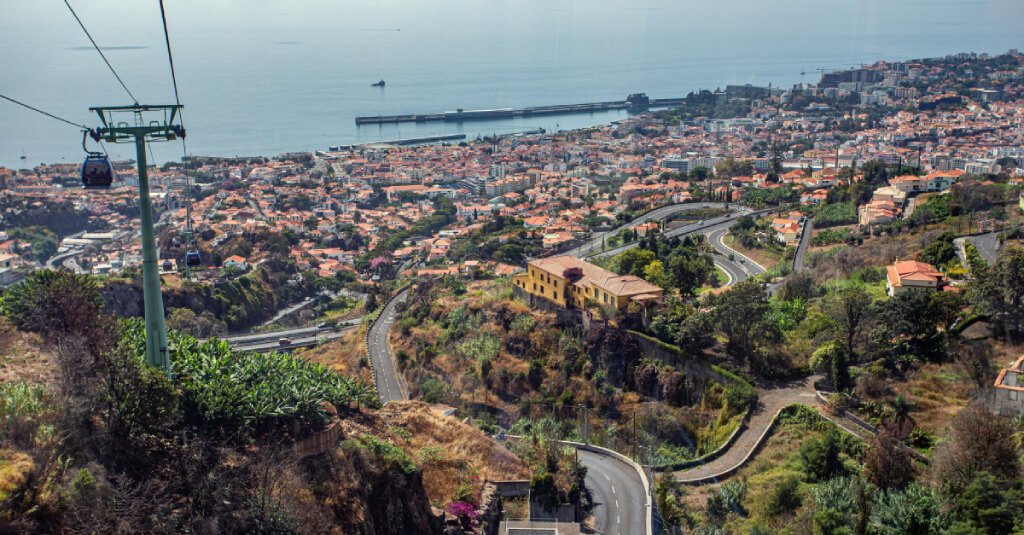
Cable Car to Monte, Funchal
Beyond the natural landscape, Madeira’s capital city deserves its own conversation. Funchal is an unusually cosmopolitan city for its size, with a historic centre rich in Manueline architecture, a vibrant food market, contemporary art galleries, and a restaurant scene that has evolved significantly over the past decade.
The famous Mercado dos Lavradores (Farmers’ Market) is a sensory landmark: a covered market where you can find tropical fruits unique to the island, fresh fish, including the prized black scabbardfish, and local crafts. Spending a morning here gives you more genuine cultural context than any guidebook can offer.
If you are planning your time in the capital, the guide to the unmissable things to do in Funchal is a practical starting point that covers both the iconic sites and some genuinely local experiences worth prioritising.
Year-Round Appeal and Who Madeira Is Right For
One of Madeira’s most practical advantages over many European destinations is its climate. The island enjoys a mild, subtropical climate that rarely experiences extremes. Summers are warm without being oppressive. Winters are mild enough to hike comfortably and sit outside for dinner. This makes it a genuinely viable destination in every month of the calendar, unlike beach-focused destinations in the Mediterranean that feel deflated outside of summer.
Madeira works particularly well for solo travellers, couples, and older visitors who appreciate depth over party culture. It also works for active families, digital nomads, and anyone recovering from over-tourism fatigue. It is not, however, a destination built around nightlife or expansive sandy beaches, and managing those expectations before you arrive makes a real difference to your experience.
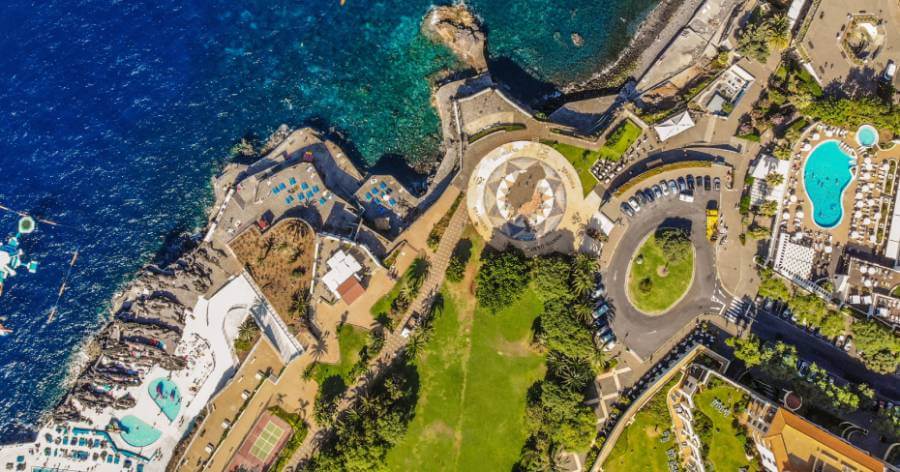
Practical Considerations Before You Go
Getting to Madeira is straightforward from most major European cities, with direct flights available year-round from hubs including Lisbon, London, Frankfurt, Amsterdam, and many others. The island’s road network, while dramatic in places, is well-maintained, and driving is generally the most efficient way to explore beyond Funchal.
Accommodation spans a wide spectrum, from international hotel chains and boutique quintas to rural guesthouses nestled in the mountains. Choosing where to base yourself has a meaningful impact on your experience of the island, and the detailed breakdown of the best areas and hotels in Madeira is essential reading before you book.
In terms of cost, Madeira occupies a comfortable middle ground. It is not as inexpensive as some Eastern European destinations, but it is noticeably more affordable than many Western European city-break alternatives, particularly when you factor in local dining and the abundance of free natural attractions.
The Honest Verdict on whether Madeira is worth visiting?
Is Madeira worth visiting? For the right traveller, it is one of the most rewarding destinations in Europe, full stop. It offers a rare combination of extraordinary natural scenery, genuine cultural depth, year-round accessibility, and a pace of life that most places have long since abandoned. The island does not try to be all things to all people, and that restraint is precisely what makes it so consistently satisfying for those who choose it.
If you are weighing up whether to come, the most useful thing I can tell you is this: the visitors who leave disappointed are almost always those who expected a different kind of destination. Come for the mountains, the trails, the food, and the Atlantic light, and Madeira will almost certainly exceed what you imagined.
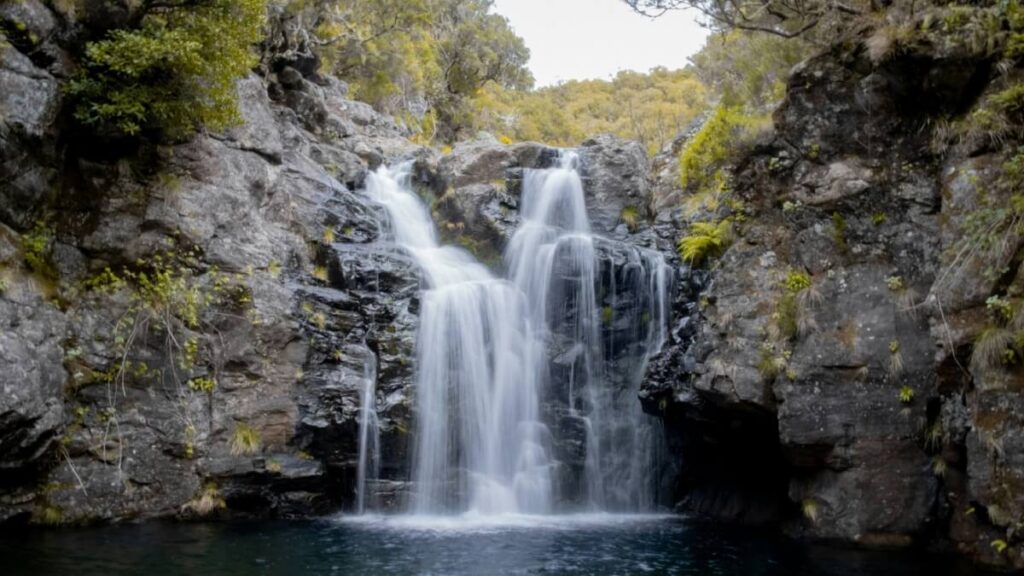
Is Madeira Worth Visiting? Frequently Asked Questions
Is Madeira worth visiting for a short trip?
Yes, even a long weekend in Madeira delivers an exceptional experience. Funchal alone offers cultural landmarks, botanical gardens, and vibrant local cuisine. That said, one week or more is ideal to explore the island’s different landscapes, from the rugged north coast to the levada trails of the interior.
What is the best time of year to visit Madeira?
Madeira’s mild, subtropical climate makes it a viable destination throughout the entire year. Spring (April to June) is widely considered the sweet spot: temperatures are comfortable, the island is in full bloom, and crowds are smaller than in peak summer. The famous Flower Festival in May is a highlight for many visitors.
Is Madeira expensive compared to other European destinations?
Madeira sits at a mid-range price point within Europe. Accommodation, dining, and activities can be found across a wide budget spectrum. Local restaurants known as tascas offer generous meals at very reasonable prices, and many of the island’s most impressive natural attractions, such as levada hikes and viewpoints, are completely free.
Is Madeira suitable for families with children?
Absolutely. Madeira offers a safe, welcoming environment for families. Children tend to enjoy the natural lava pools in Porto Moniz, the Monte Palace Tropical Garden, whale and dolphin-watching tours, and the traditional wicker toboggan rides in Monte. The island’s compact size also means travel between attractions is rarely tiring.