Thinking about moving to Madeira? Here’s what it’s really like to live here, straight from locals who know the island inside and out. It’s beautiful, peaceful, and full of character, but it’s not perfect. Let’s break down the pros and cons.
What We Love About Living in Madeira
1. Lovely Weather
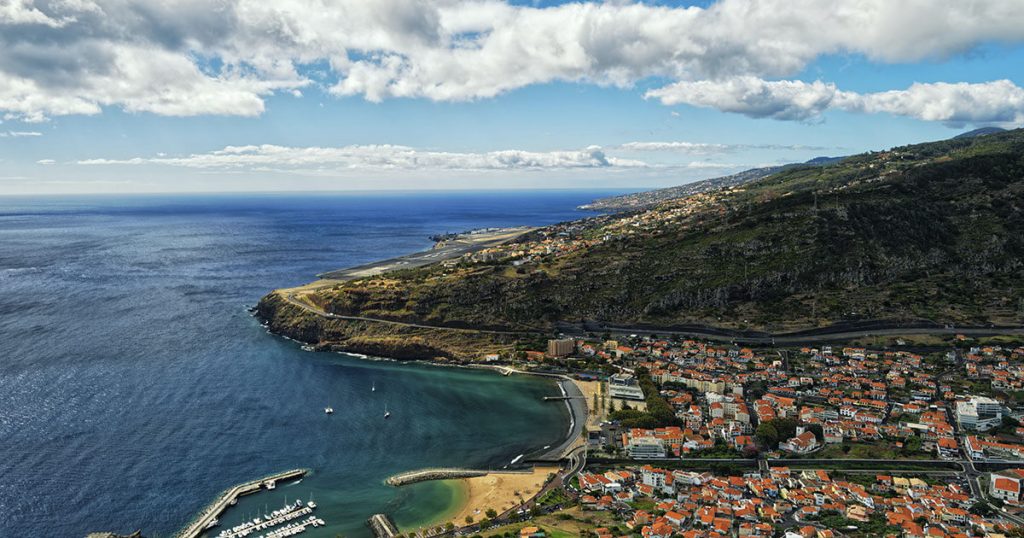
Madeira enjoys mild, pleasant weather all year round, rarely experiencing extreme temperatures. The island is also known for its unique microclimates, which means you can be in the warmth of the south coast one moment and in the cool mist of the mountains a short drive later. January and February are the rainiest months, with temperatures ranging from 8°C at night to 16°C during the day. This consistent, moderate weather means outdoor activities and festivals can happen anytime.
2. Nature is a Daily Gift
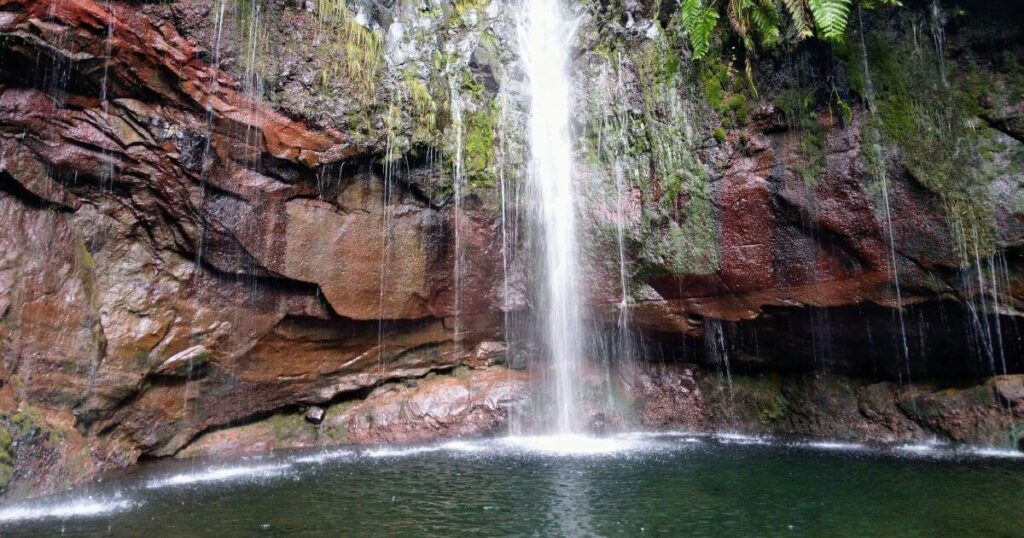
Mountains, levadas, promenades, waterfalls, and the ocean, nature is woven into the fabric of everyday life here. The island is filled with countless scenic routes and hiking trails, and it’s easy to enjoy the great outdoors. You’re never far from stunning views, and everything feels connected — whether you’re enjoying the countryside or walking along the coastline.
3. Culture
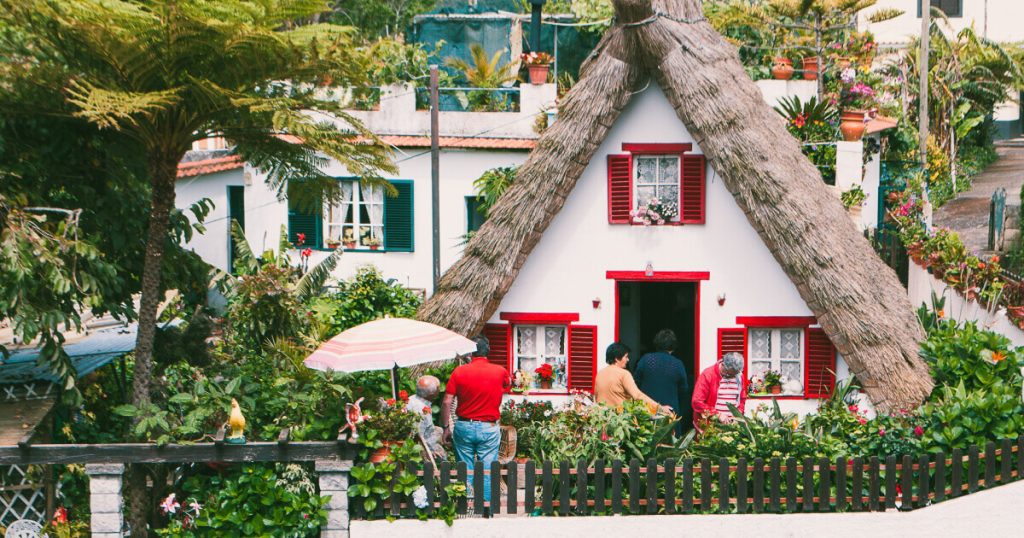
Madeira’s culture is rich and diverse, shaped by a long history of influences from both Portugal and the island’s unique local traditions. Family is a core part of the social fabric here, and respect for older generations is deeply ingrained in everyday life. Madeira’s cultural identity is also reflected in the island’s architecture, art, and local customs, which preserve a strong connection to the past. Many Madeirans hold conservative values.
The island’s history is also closely tied to emigration, with many families having roots in places like Venezuela, South Africa, and the Channel Islands, which have contributed to the island’s evolving cultural landscape.
Formality is an important part of life here, especially in professional and social settings. Titles and respectful forms of address are expected, and this formality is often seen in services, business interactions, and when meeting new people. It’s a way of showing respect and maintaining a sense of decorum in day-to-day life.
4. Life Moves at a More Relaxed Pace

One of the island’s true charms is its slower pace of life. While this is great for those looking for a peaceful and calm environment, it can feel a bit isolating for those used to a faster pace. For those who crave a slower rhythm, it offers an opportunity to unplug and embrace a more relaxed lifestyle.
Outside of Funchal, nightlife is minimal, and even in the capital, Madeira isn’t a party city. This might feel too quiet for some, but for others, it’s part of the appeal.
5. Traditions & Festas
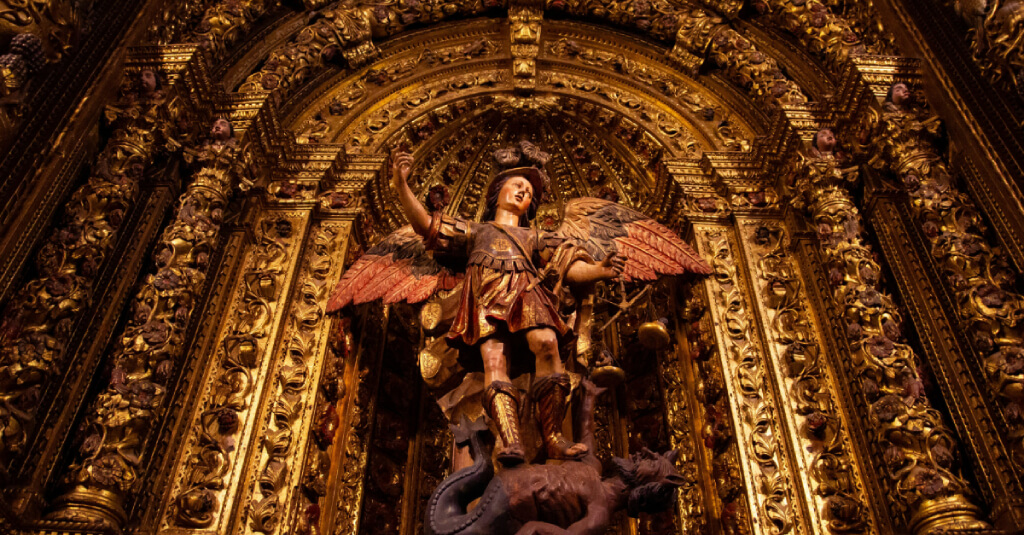
Madeira’s festas and traditions are very much alive – from village saints’ days and Carnival to spectacular Christmas decorations and local music.
Most Madeirans tend to be conservative and deeply value traditional family and community values, which shape everyday life and social attitudes on the island. They are usually friendly, enjoy festivities as much as traditions, and like to have fun.
Madeirans are also predominantly Roman Catholic, and religious celebrations and customs are an integral part of the culture. Church events and religious holidays are woven into the fabric of social life on the island.
6. Strong Sense of Community
Venda Velha, photo from Visit Madeira
Madeirans value close-knit community life. People look out for each other, celebrate together, and often form lifelong friendships. While this can sometimes feel a bit nosy, it creates a supportive and warm environment. Gossip is also a common pastime, especially about anything different, and residents are often quick to share news about each other.
Madeirans also consider themselves to have a particularly strong identity, one that they consider to be distinct from mainland Portugal. This sense of local pride and unique heritage is deeply ingrained in the culture, and it’s something that resonates throughout daily life and social interactions.
7. Access to Fresh, Local Food

Mercado dos Lavradores
Local produce is abundant, with plenty of farmers’ markets and roadside stands where you can buy fresh, seasonal items. Supermarkets stock both local and imported goods, making it easy to eat well. While eating fresh and local is possible, it’s important to know where to shop and what’s in season to get the best products.
8. Everything is Close
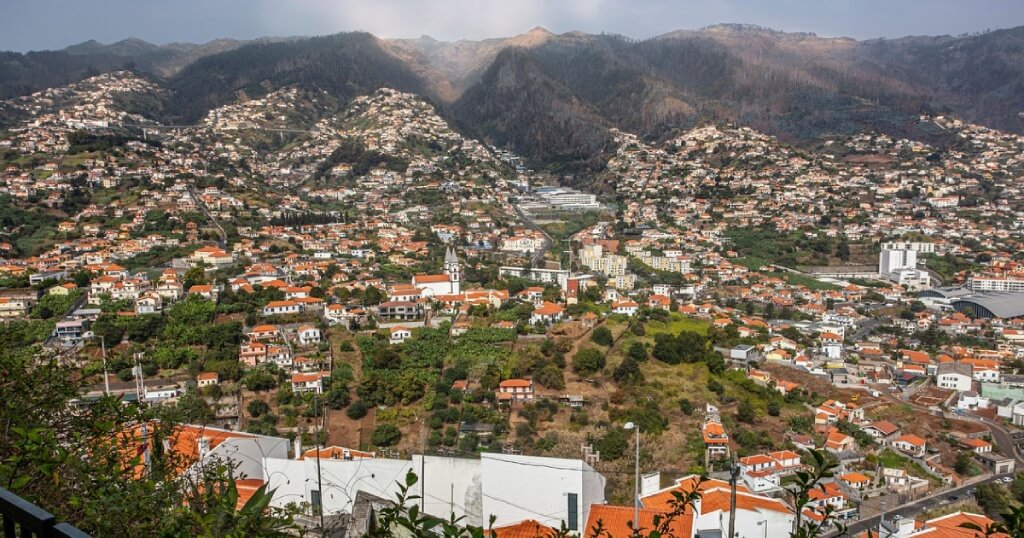
Madeira’s compact size makes it easy to live a very connected life. It’s possible to enjoy both the bustling city of Funchal and the peacefulness of rural areas on the same day. The island is dotted with villages where life moves at a slower, more personal pace, offering a charming glimpse of traditional Madeira. You can easily access beaches, hiking trails, and natural landmarks within just a short drive.
What’s Not So Great about Living in Madeira?
1. Wages Are Low
A significant portion of Madeirans earn the regional minimum wage of €915 per month. Many jobs are in tourism, agriculture, or services, and salaries often don’t keep up with rising living costs. This makes it challenging for many locals to make a sustainable living without working multiple jobs or considering emigration. Additionally, taxes in Portugal are very high for locals, which further adds financial pressure. The combination of low wages and high taxes can make it difficult for residents to maintain a comfortable standard of living.
2. Limited Job Opportunities
Outside tourism, job options are limited. Many locals have moved abroad to find stable careers. Even foreign companies based in Madeira often employ remote workers from other countries rather than locals, which limits local job growth. Many professionals with degrees or higher-skilled jobs leave the island seeking better career prospects elsewhere.
3. Still Relatively Safe – But Things Have Changed
Over the past few years, crime on the island has increased, especially with a rise in synthetic drug use. While it is still not widespread, many locals feel that the safety of their neighbourhoods has been compromised. It’s a concern for many. You need to be smart and, at night, it’s best to avoid walking alone, especially in Funchal.
4. Housing Is Unaffordable
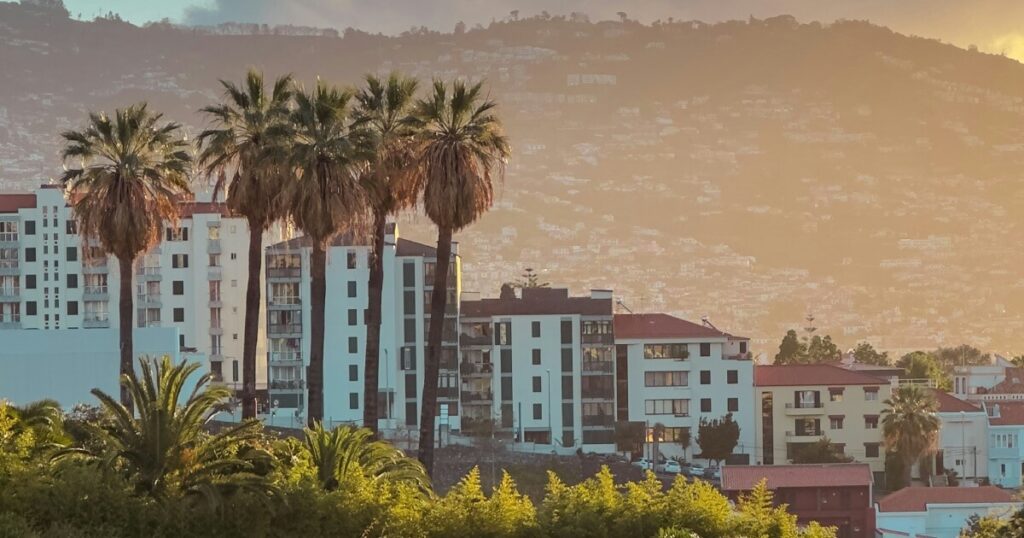
Foreign investment and holiday rentals have pushed property prices up, greatly caused by government policies and tax incentives. This has made homeownership difficult for many locals, particularly younger generations who are often forced to leave the island. Many locals cannot afford house insurance, and the majority of homes do not have heating or air conditioning, which can impact comfort during colder or hotter months.
Income tax for locals is considerably higher compared to foreigners, which adds to financial pressure and makes it nearly impossible to compete in the housing market.
As in many European countries, property prices have risen sharply, but this issue is felt more acutely in Madeira because of its island status. Limited land and resources, combined with increased demand from foreign buyers, cause housing affordability to be a major challenge here.
This has led to the drastic change of some areas, where once authentic neighborhoods are being replaced by luxury apartments and short-term rental properties, changing the face of the island and displacing local families.
5. Concerns About Government Corruption
Some locals feel that corruption and lack of transparency in local government and public administration complicate policies affecting everyday life. This creates inefficiencies and frustrations in accessing services, permits, and support. Moreover, corruption contributes to growing social inequality, where a small group holds most of the power and wealth, widening the gap between classes on the island.
6. Public Healthcare is Declining

While public healthcare was once reliable, services have been declining in recent years, particularly with the sudden increase in population. Waiting times for routine doctor’s appointments and surgeries are increasingly long, and resources feel stretched. Many locals now turn to private healthcare when they can afford it.
7. Island Isolation Can Be Challenging

Madeira is an island, and this isolation can feel difficult for some. Travel is often expensive and time-consuming. We no longer have a ferry to mainland Portugal, and the airport is often closed due to high wind levels.
Flights can be costly, and even though many flights to European destinations are available, it is often cheaper to fly to other destinations than to mainland Portugal. Packages and goods take longer to arrive than on the mainland, which means many products are more expensive.
8. Most Touristic Attractions Are Overcrowded
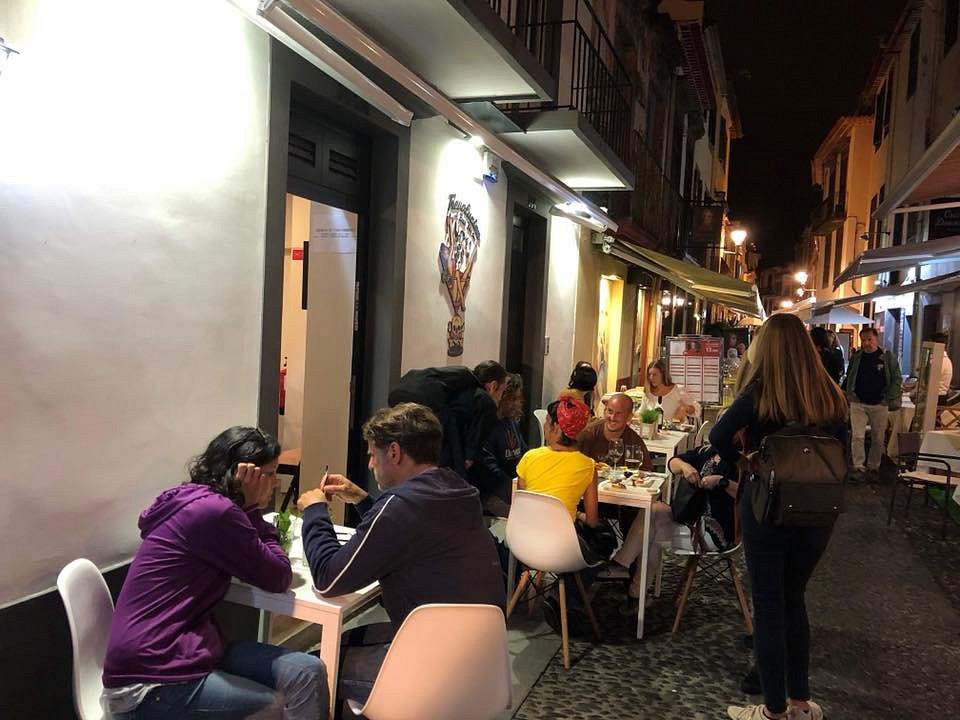
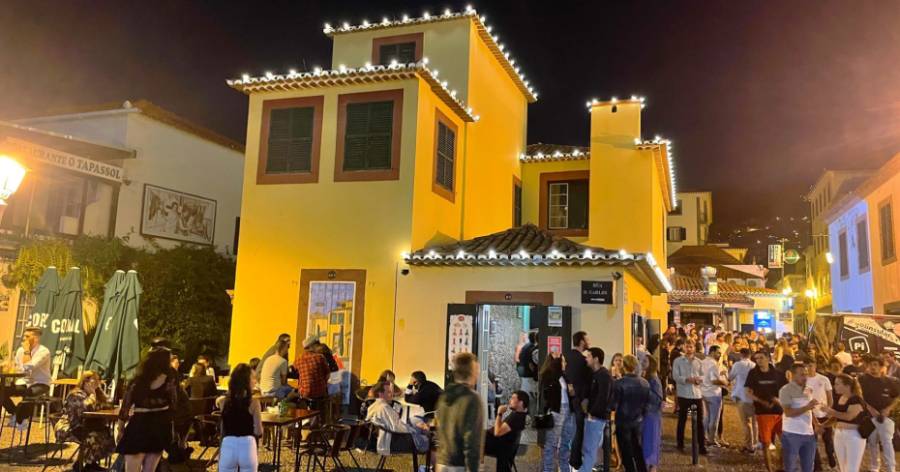
Revolucion Rock Bar Funchal, photo From Tripadvisor
Popular tourist attractions are overcrowded year-round. As tourism has grown, the influx of visitors has made certain spots feel less peaceful and more commercialized. Locals often avoid these areas during busy times to escape the crowds.
FAQs about Living in Madeira
Is Madeira a good place to live?
Yes, Madeira is a beautiful and peaceful place to live, known for its mild weather, stunning nature, and strong sense of community. The island offers a relaxed lifestyle and a close connection to nature and culture.
What are the pros and cons of living in Madeira?
The main pros of living in Madeira include its pleasant year-round weather, beautiful natural landscapes, strong community spirit, and relaxed lifestyle. On the downside, residents face low salaries, expensive housing, limited job opportunities outside tourism, and declining public healthcare. Madeira remains a wonderful place for those who appreciate its culture and pace of life, but it’s important to have realistic expectations before moving.
Final Thoughts about Living in Madeira
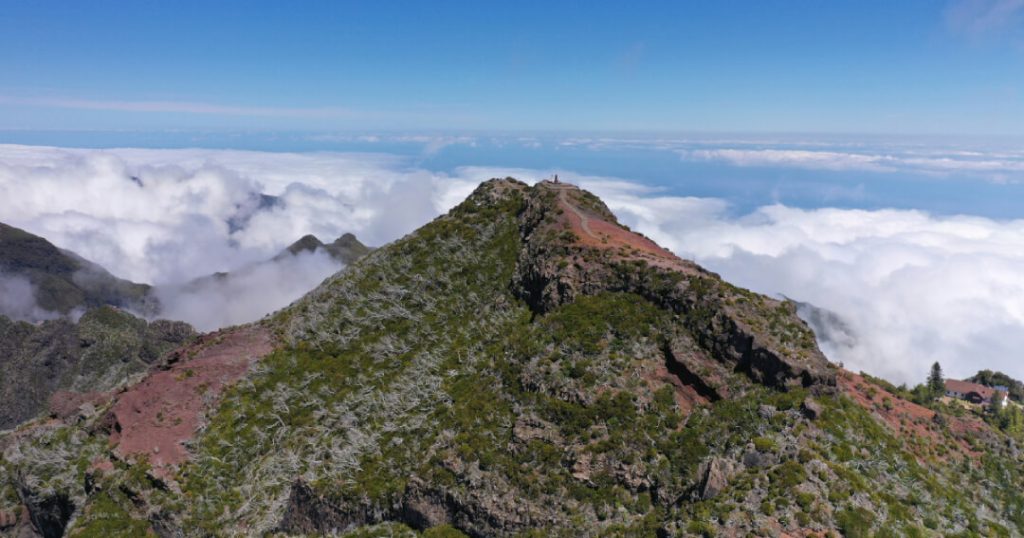
Madeira offers a beautiful, peaceful lifestyle, but it comes with its challenges. For locals, the connection to nature, community, and culture makes it home, despite frustrations like rising costs, limited job opportunities, and a declining healthcare system.
If you’re considering moving here, it’s important to come with realistic expectations. Learning the language, respecting the local traditions, and engaging with the community will make your integration easier. Madeira has a lot to offer, but it’s a place where you must embrace the way of life and be prepared for the challenges that come with island living.
Thinking seriously about a move to Madeira?
A holiday and everyday island life are different experiences. Our Moving to Madeira Call is a one-to-one conversation to help you explore the practical questions behind your decision: daily routines, getting around, choosing an area and adapting to island life.
Bring your priorities and questions for a grounded local perspective. This is a paid conversation about everyday life, not legal, tax, immigration or financial advice. Specialist questions should be checked with qualified professionals.
30 minutes: €29 · 60 minutes: €59. Requests are subject to availability and confirmation; payment is arranged afterwards.
Explore the Moving to Madeira Call
Planning a scouting visit first? Our guide to where to stay can help you compare possible bases for a short visit; it is not a guide to long-term rental availability.