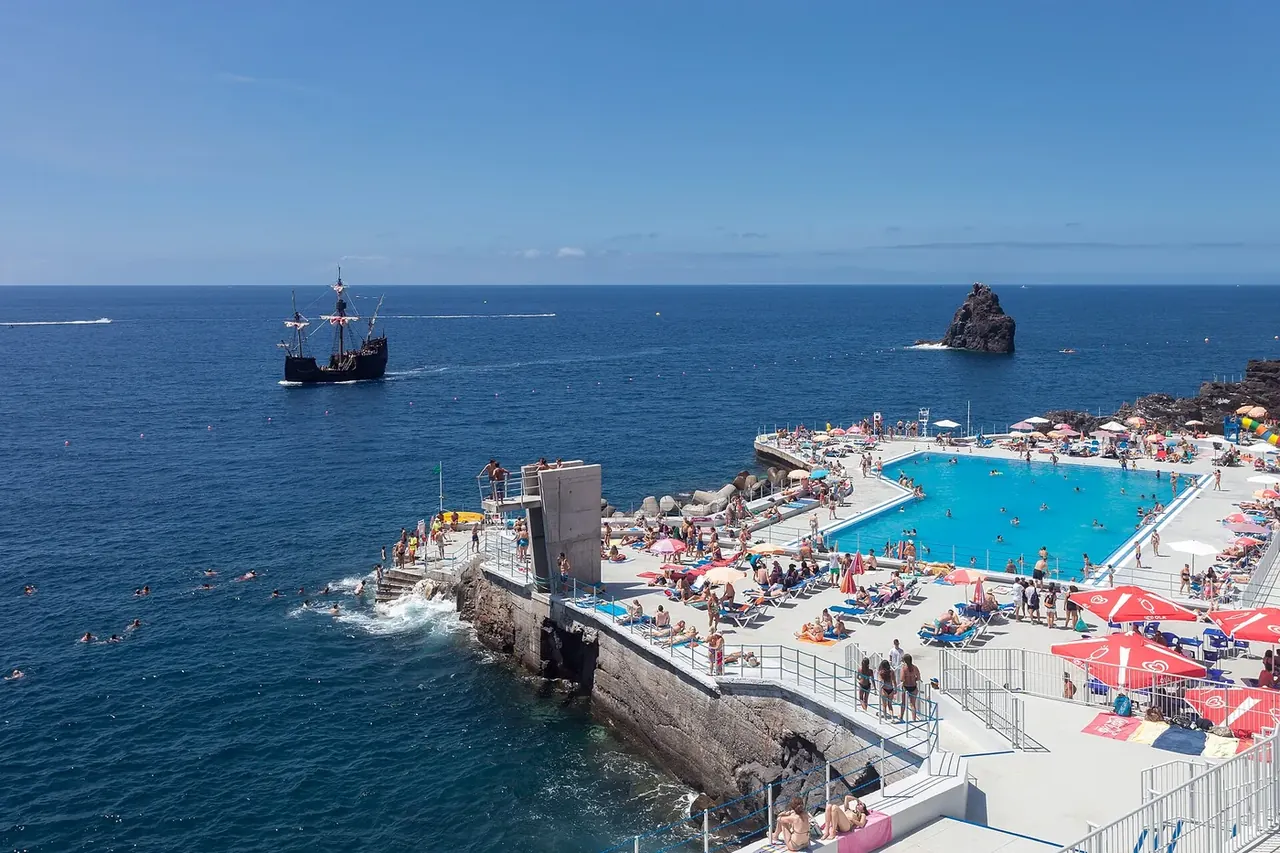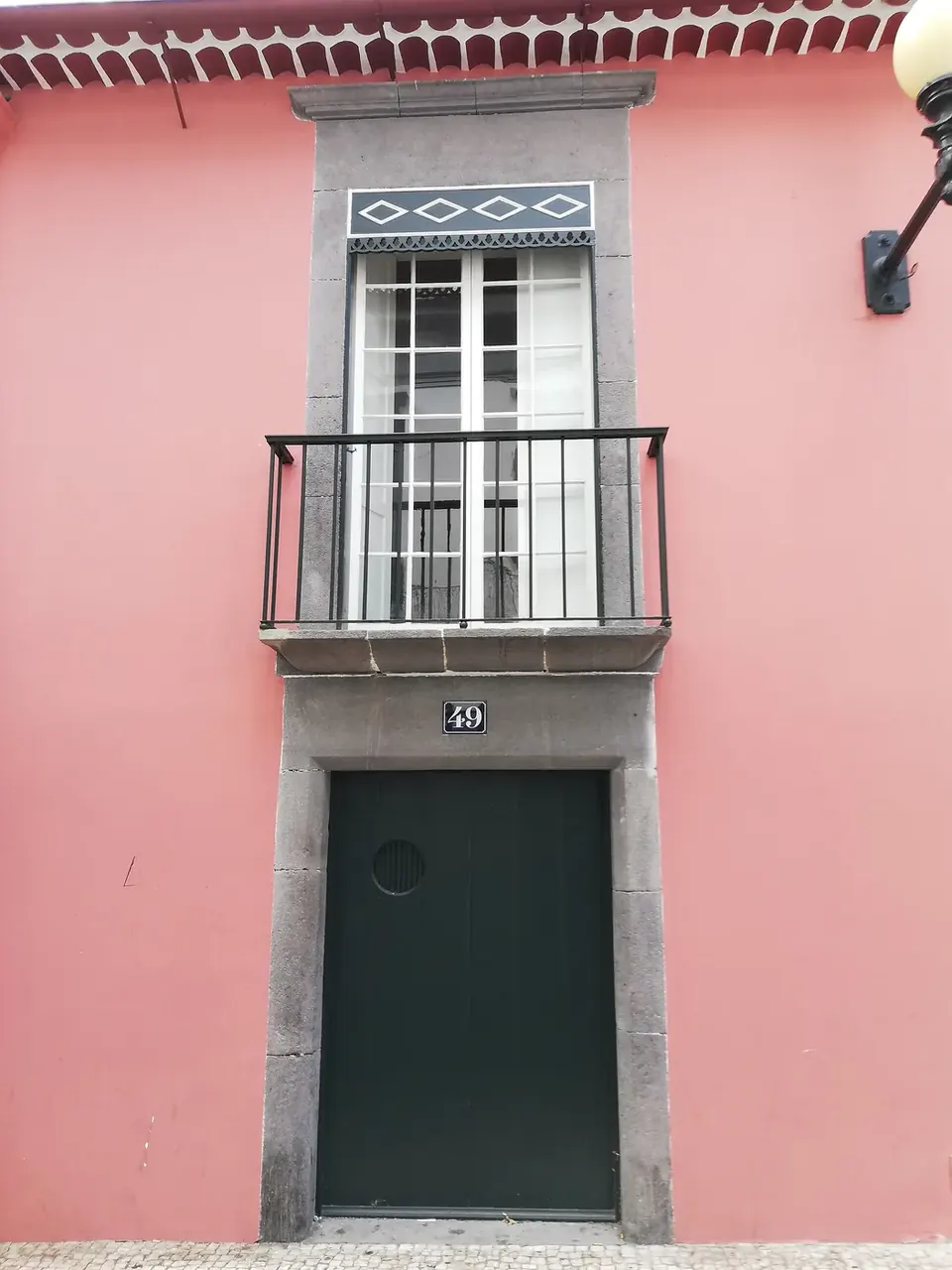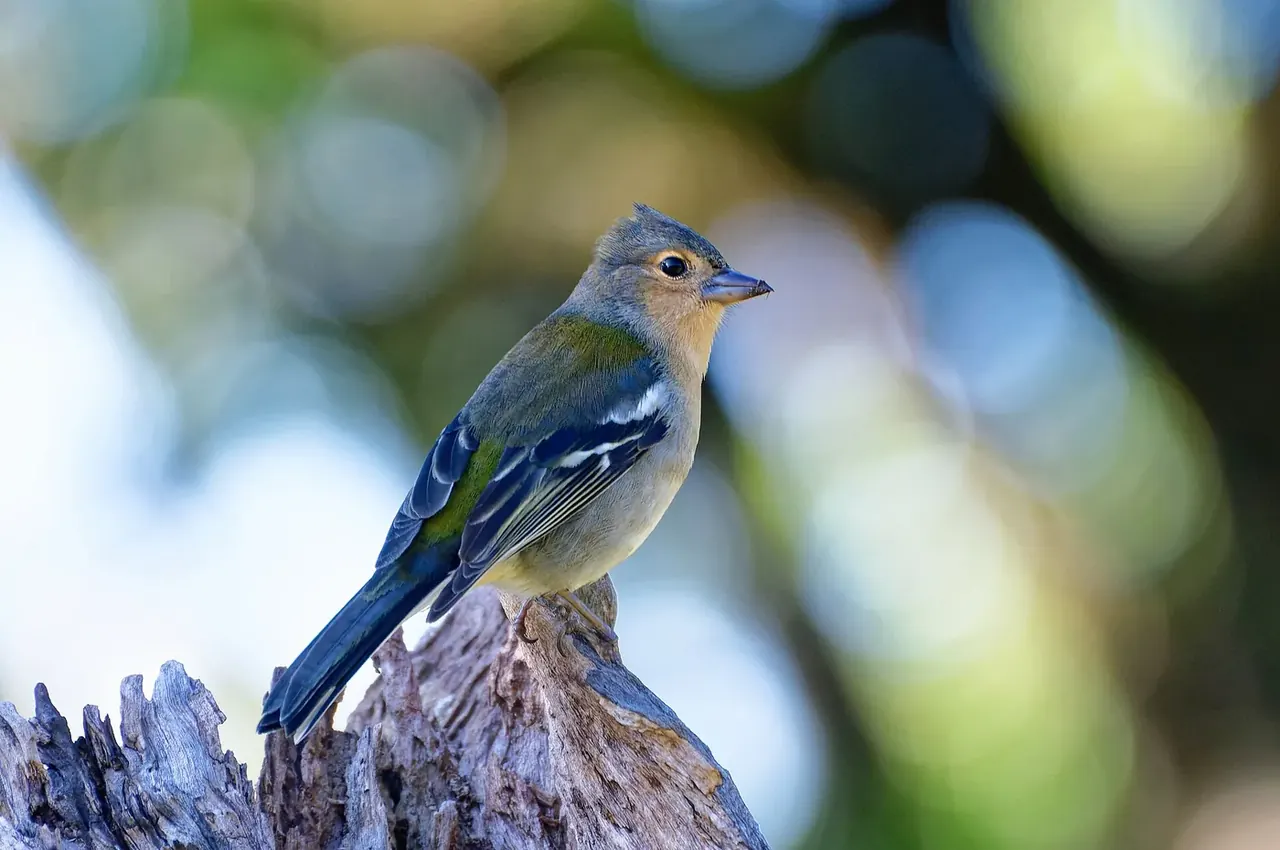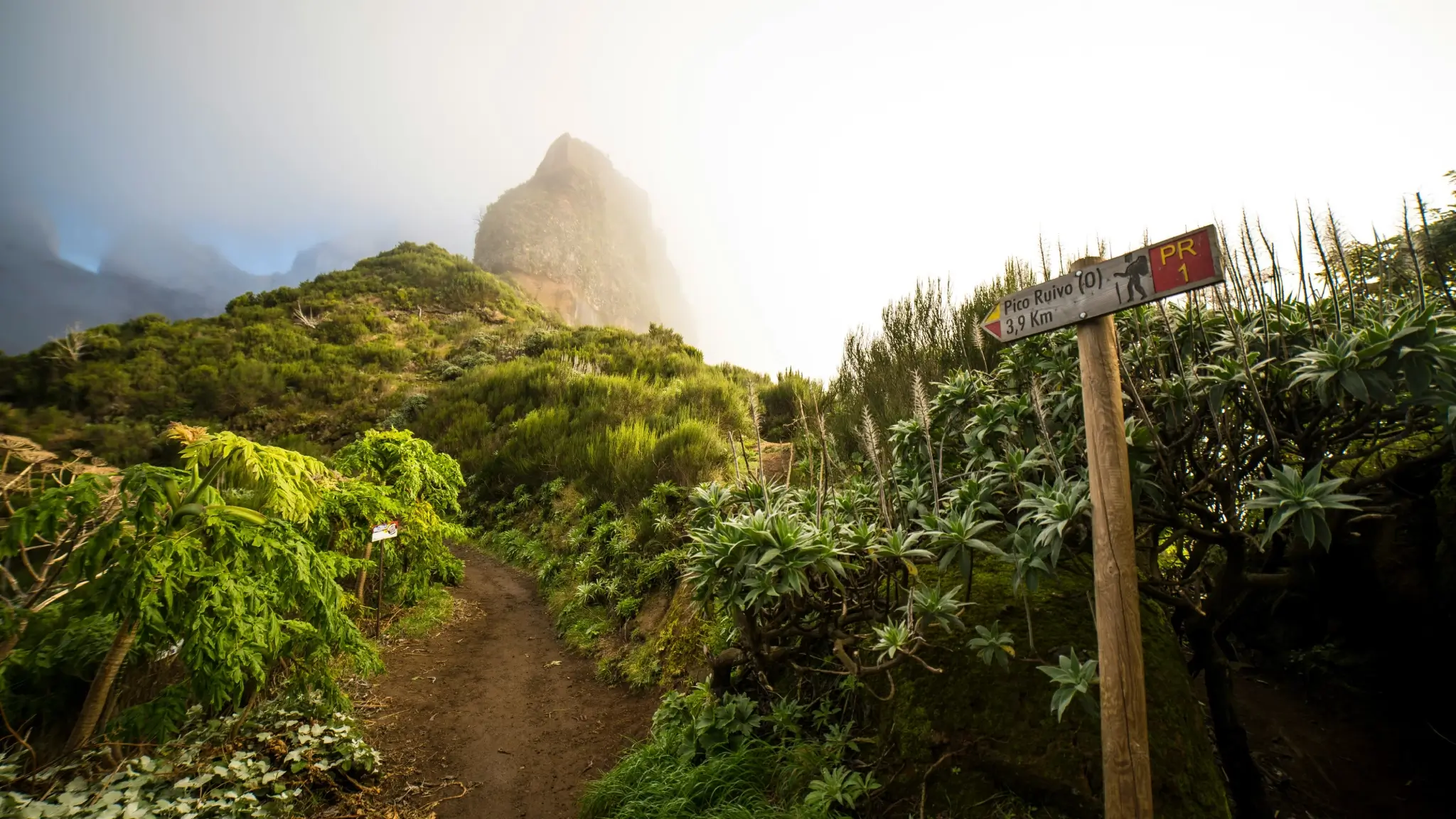
Madeira is one of those rare places that defies easy categorisation. It is not a beach destination in the traditional sense, not a city break, and not just a hiking island. It is all of these things at once, layered across dramatic cliffs, ancient laurel forests, and a coastline that meets the Atlantic with raw, unfiltered energy. If you are wondering what to do in Madeira Island, the honest answer is: more than you expect, and probably more than your itinerary allows.
This guide, written from a local perspective, brings together the seven most rewarding experiences the island has to offer, along with practical context to help you plan a trip that actually makes sense. Whether you are visiting for a long weekend or a full week, Madeira by a Local exists to make sure you see the island the way it deserves to be seen.
Before diving into activities, it helps to understand the geography. Madeira is a compact but surprisingly diverse island. Understanding the size and layout of Madeira will help you plan your days more efficiently and avoid losing hours on unexpected mountain roads.
7 Things to Do in Madeira Island That You Should Not Miss
1. Dolphin and Whale Watching
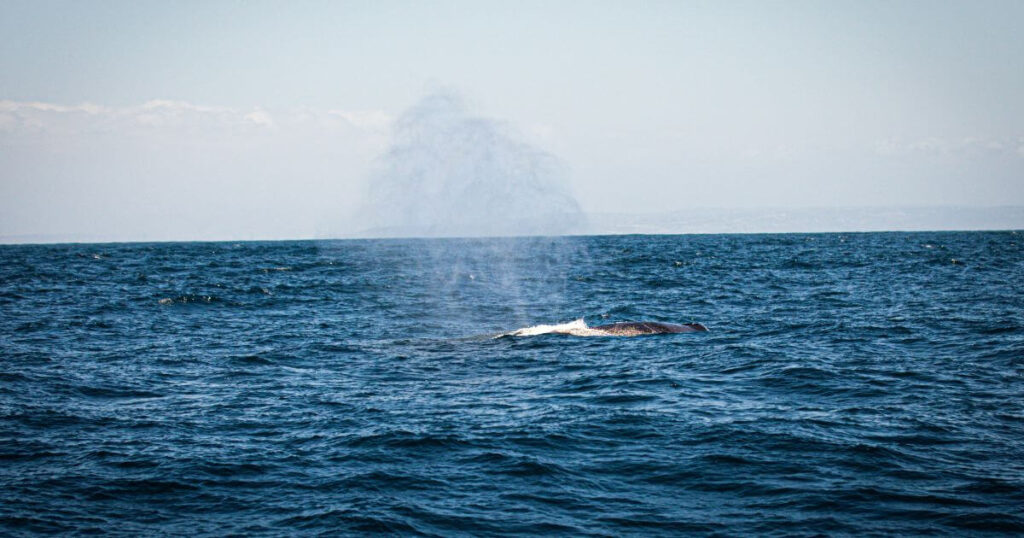
Whale Watching in Madeira Island
Few experiences on the island match the quiet awe of watching a sperm whale surface in open Atlantic waters. Madeira sits along one of the most active cetacean corridors in the world, with resident populations of bottlenose and common dolphins, as well as seasonal sightings of sperm whales, pilot whales, and even blue whales.
Tours typically depart from Funchal Marina and last between two and three hours. Experienced marine biologists often accompany the boats, turning the excursion into something genuinely educational. The season runs year-round, though spring and summer tend to offer calmer seas and higher encounter rates.
For everything you need to know before booking, the full guide to whale watching in Madeira covers species, best operators, and what to realistically expect on the water.
2. Surf in Madeira
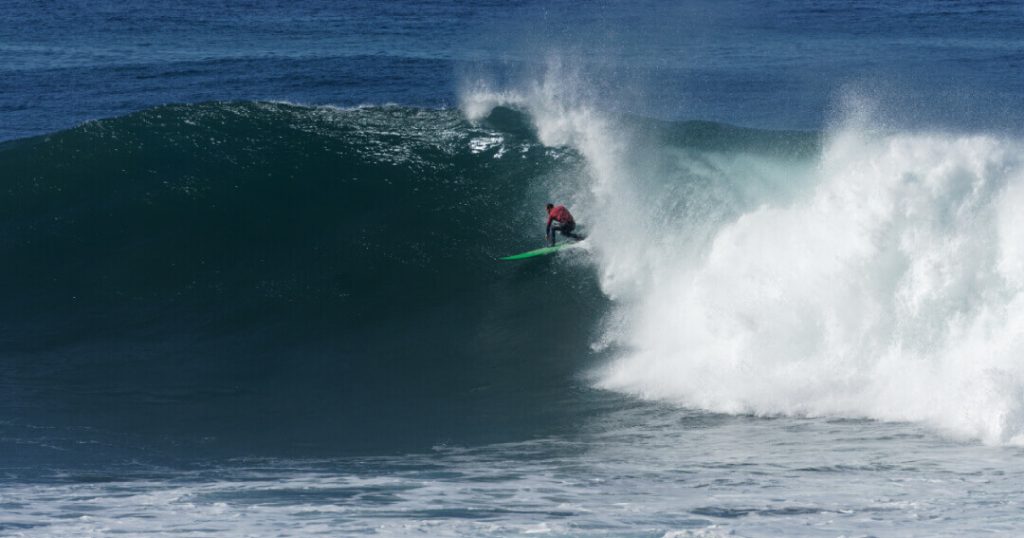
Jardim do Mar
Madeira is not the first name that comes to mind when people think of European surf destinations. That is precisely what makes it interesting. The island offers a handful of consistent breaks, mostly on the north coast and around Paul do Mar, where the Atlantic delivers powerful, long-period swells that reward experienced surfers. For beginners, there are calmer options closer to Funchal.
Surfing in Madeira comes with a unique aesthetic: black volcanic rock, steep cliffs framing the lineup, and a near-complete absence of the crowds that characterise spots in mainland Portugal or the Canaries. If you want to understand the best spots, when to go, and what level of experience each break requires, the complete surf guide for Madeira has the detail you need.
3. Walk the Levadas
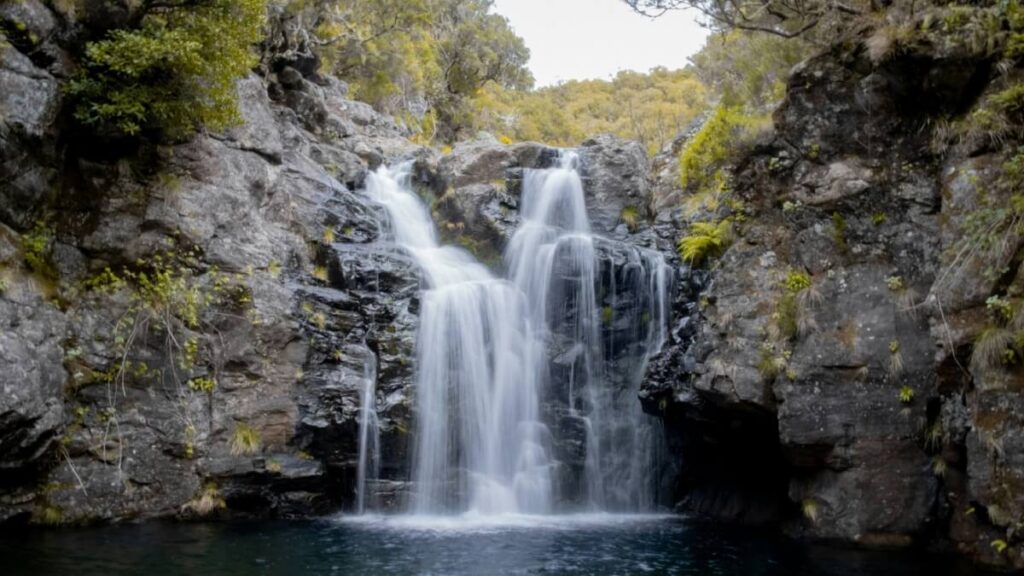
The levadas are perhaps Madeira’s most iconic feature. These ancient irrigation channels, built over centuries to distribute water from the wet north of the island to the drier south, now serve as one of the most unique hiking networks in the world. Hundreds of kilometres of trails run alongside them, cutting through laurel forest, along cliff edges, and through tunnels carved into the rock.
Some levada walks are gentle and accessible for most fitness levels. Others require a head for heights and appropriate footwear. For first-time visitors, booking a guided experience is a smart choice. A local guide adds context, ensures safety on more technical stretches, and often reveals corners of the island that are impossible to find alone. The reasons to book a guided levada walk are worth reading before you decide to go it alone.
4. Explore Funchal and Its Historic Centre
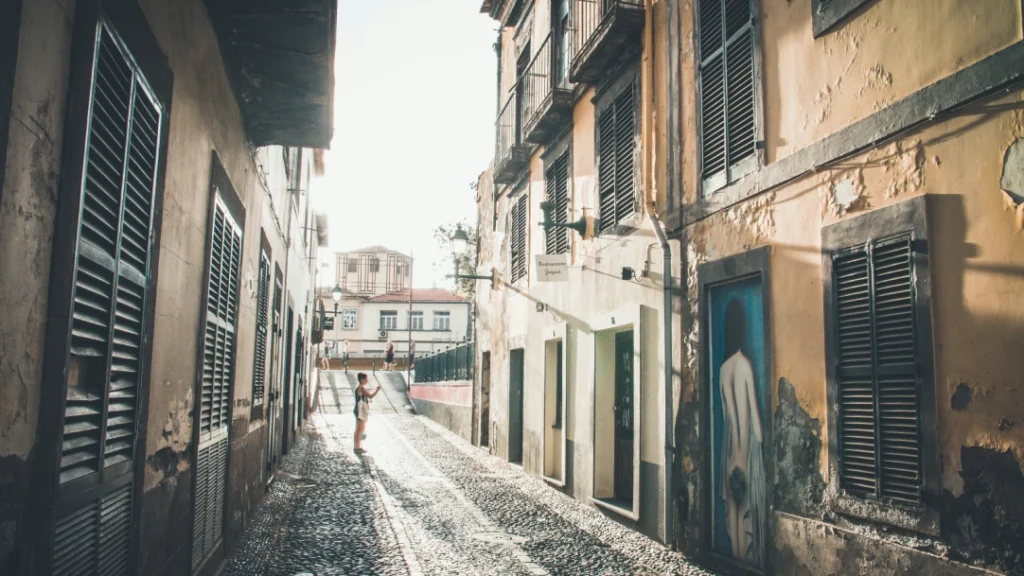
Visit Funchal and Its Historic Centre
Funchal is a proper city, not a resort town dressed up to look like one. The capital of Madeira has a functioning harbour, a lively market, a cathedral that dates to the 15th century, and neighbourhoods that range from elegant to gritty in the space of a few streets. The Old Town, known as Zona Velha, is famous for its painted doors and small restaurants where grilled fish and poncha flow in equal measure.
A cable car connects the seafront to Monte, the cooler hillside parish above the city. From Monte, visitors can descend in traditional wicker toboggans, a 19th-century transport method that has become one of the island’s most photographed experiences. The Funchal Botanical Garden, the Blandy Wine Lodge, and the CR7 Museum all sit within walking distance of the centre.
5. Visit the Funchal Ecological Park
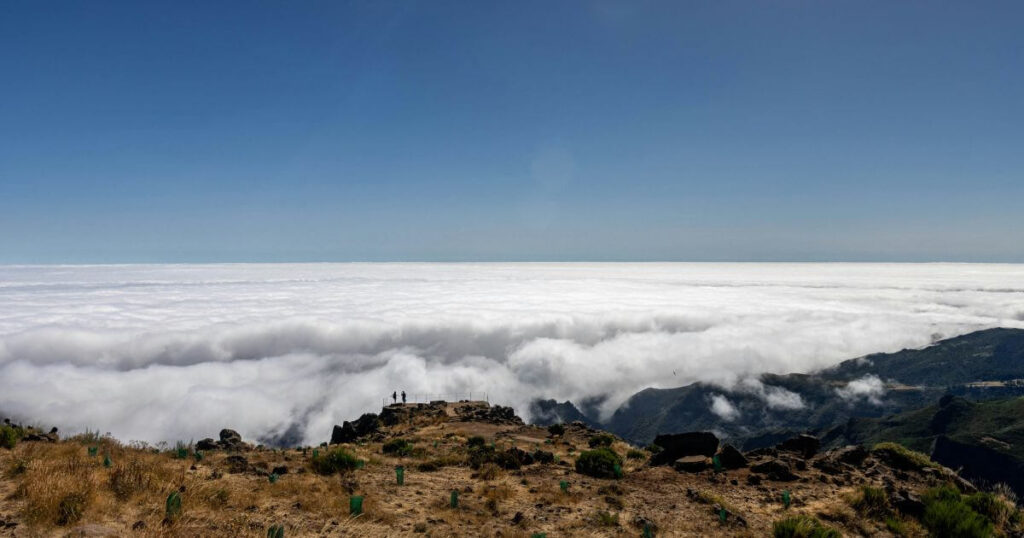
Funchal Ecological Park
Less visited than the botanical garden but arguably more rewarding for those who enjoy open landscapes and nature without the crowds, the Funchal Ecological Park covers over a thousand hectares in the hills above the city. Reforested after historic fires, the park is home to native Madeiran species and offers trails with some of the best panoramic views over Funchal and the southern coast.
It is a place that locals genuinely use for weekend walks, which says something about its quality. The full guide to the Funchal Ecological Park includes access details, the best trails, and what to look for in terms of flora and fauna.
6. Jeep Safari and Mountain Tours
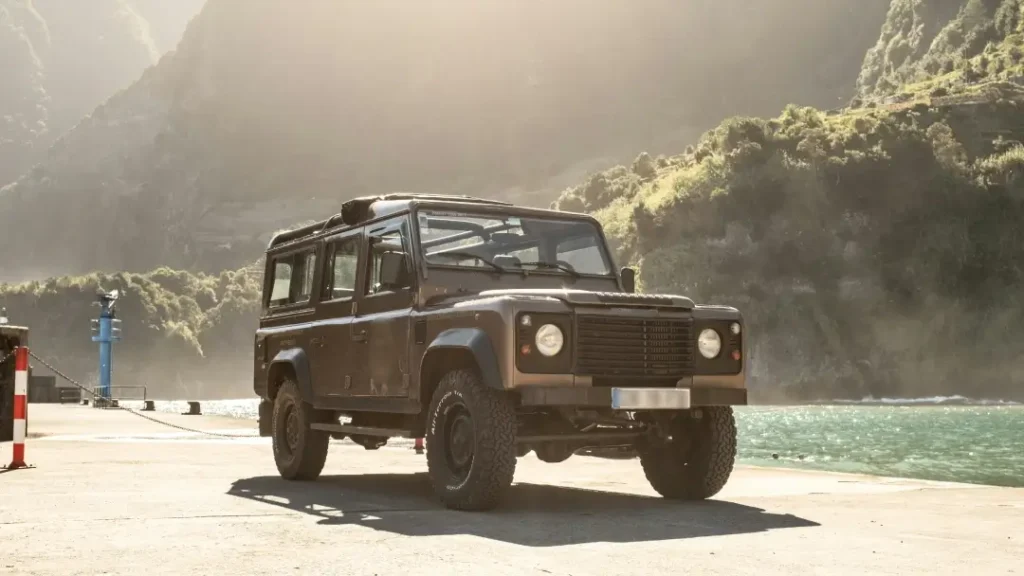
Madeira’s interior is a world apart from the coastline. The central mountain plateau, Paúl da Serra, stretches across the west of the island at around 1,300 metres of altitude, shrouded in mist for much of the year and dotted with wind turbines that disappear into the clouds. The peaks above Funchal, including Pico do Areeiro and Pico Ruivo, the island’s highest point, offer lunar landscapes that feel genuinely remote.
A jeep safari is one of the most efficient ways to reach these areas, particularly for visitors without a rental car or confidence on mountain roads. Tours typically combine viewpoints, traditional villages, levada crossings, and a lunch stop at a local restaurant. Half-day and full-day formats are widely available from Funchal.
7. Experience the Gardens of Monte
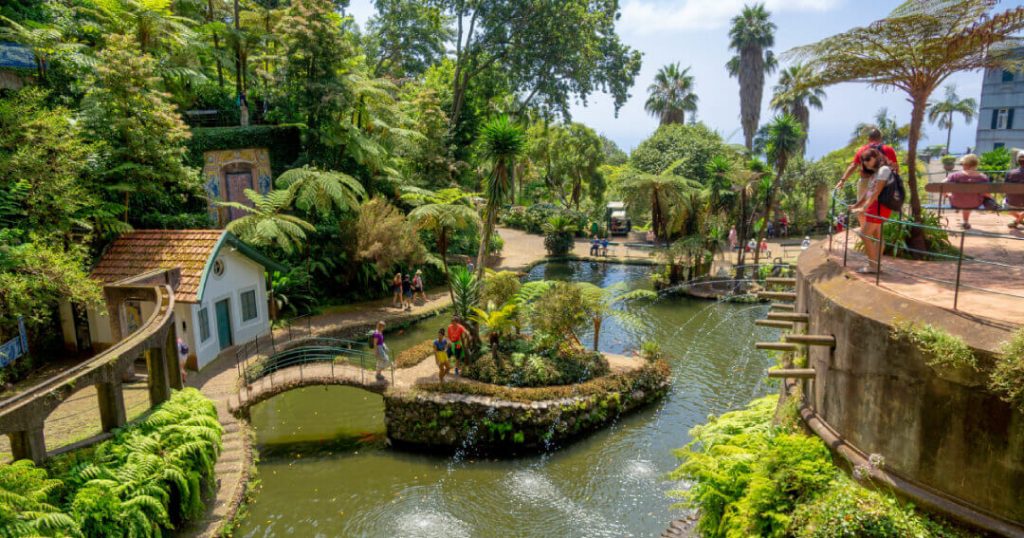
Monte Palace, Funchal
Monte Palace Tropical Garden is one of those places that quietly exceeds expectations. Built within the grounds of a 19th-century palace, the garden cascades down a steep hillside and contains an extraordinary collection of plants from Madeira, South Africa, and the Far East, alongside Japanese koi ponds, azulejo tile panels depicting Portuguese history, and sculptures spread across multiple levels.
The garden pairs naturally with the Monte cable car and the toboggan descent, making it part of a half-day itinerary that most visitors leave genuinely satisfied with. The Botanical Garden of Madeira, lower down in the city, offers a more scientific approach to the island’s flora and is worth including if plants are a genuine interest.
A Few More Things Worth Knowing
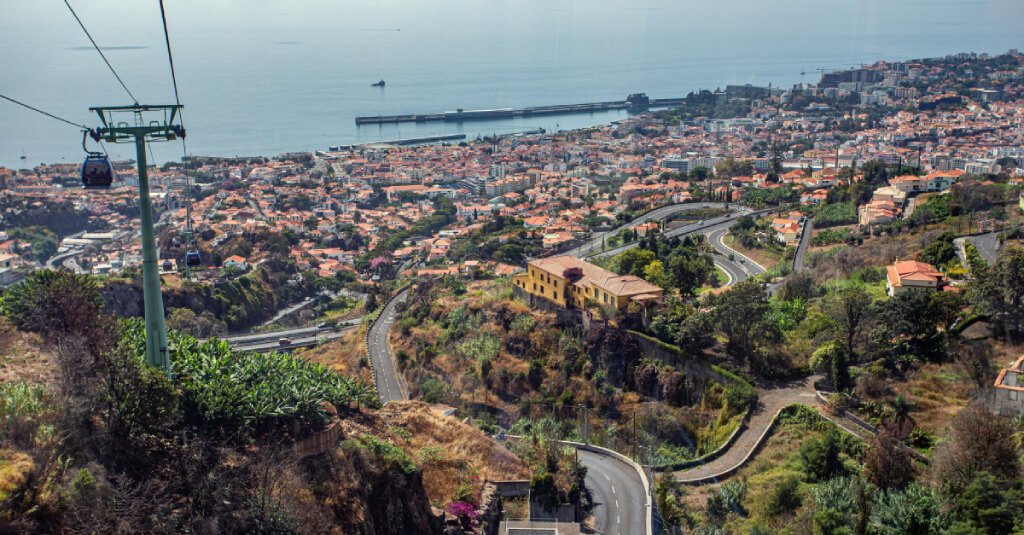
Cable Car to Monte
Beyond the seven activities above, Madeira has a longer list of experiences that reward curiosity. Canyoning on the north coast, sea kayaking around Cabo Girão (one of the highest sea cliffs in Europe), paragliding over Funchal, and the scuba diving sites around the Garajau marine reserve all attract visitors with specific interests. The food culture, centred on espada fish, caldo verde, bolo do caco bread, and the local Madeira wine, is itself a reason to visit slowly rather than rush.
The island’s festivals are worth timing a visit around if possible. The Flower Festival in spring and the New Year’s Eve celebration, one of the largest in the world, draw significant crowds but offer experiences that are difficult to replicate elsewhere.
Frequently Asked Questions About What to Do in Madeira Island
What is the best time of year to visit Madeira Island?
Madeira is a year-round destination thanks to its mild Atlantic climate. Spring and autumn offer ideal conditions for outdoor activities like hiking and whale watching. Summer is best for water sports, while winter brings the famous New Year’s Eve fireworks and Carnival celebrations.
How many days do you need to explore Madeira Island?
Most travellers find that 5 to 7 days is enough to experience Madeira’s highlights, including Funchal, the levada trails, mountain viewpoints, and ocean activities. The island rewards those who stay longer and explore at a slower pace.
Is Madeira a good destination for families with children?
Yes. Activities like dolphin watching, jeep safaris, visits to the Funchal Ecological Park, and the Monte cable car are popular with children of all ages. The island is safe, clean, and easy to navigate as a family.
Do I need to rent a car to explore Madeira?
Renting a car gives you the most flexibility, especially for reaching remote viewpoints and trailheads. However, many popular activities and tours depart directly from Funchal and can be booked without a vehicle. Public transport and taxis cover most of the main routes.